
December Deadlines, Draft Reforms and Lessons from Qantas
December 2026 closes out the first tranche of Privacy Act reform, and the second is already on the table. If your organisation uses automated tools to make decisions about people, collects children's data or relies on bundled consents, now is the time to act.

Building an AI Ready Legal Function
AI is already inside your legal function; the question is whether anything’s governing it. Most In-House teams didn’t roll out AI on purpose. It arrived through browser extensions, features switched on by default, and staff experimenting on their own initiative. That's not a compliance gap you can close with a memo, it's a maturity problem, and most teams are further behind than they think. This practical 60-minute webcast is built for the people accountable for legal, risk, and governance outcomes who need to understand how to build governance that keeps pace with the tools your people are already using.

Legal Without a Legal Team
Growth creates opportunity, but it also creates legal risk. For businesses operating without an in-house legal team, the challenge is knowing what to handle yourself and what needs expert support. This series highlights common pitfalls, simple steps to reduce risk, and when it is better (and ultimately cheaper) to call a lawyer rather than doing things yourself.
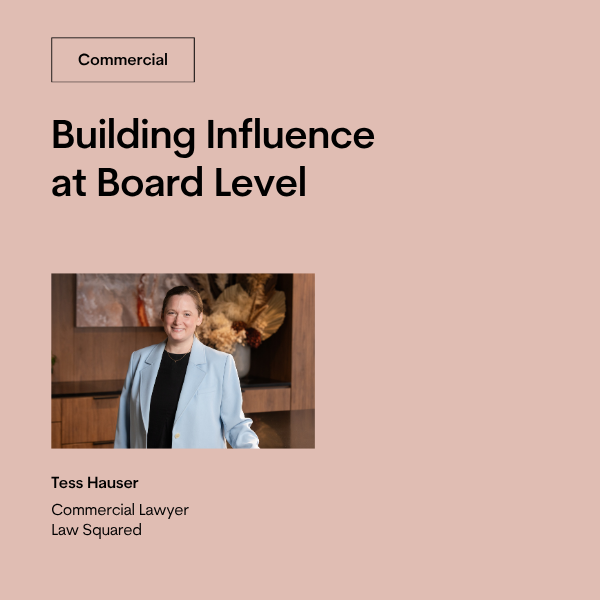
Building Influence at Board Level
Scrutiny of Boards has never been greater, all while navigating emerging risks and regulatory changes, maintaining a disciplined meeting cycle and staying on top of compliance. As the pressure on directors grows, so does the ask of the legal function sitting alongside them. So, what does it take to be a great legal partner to the Board?
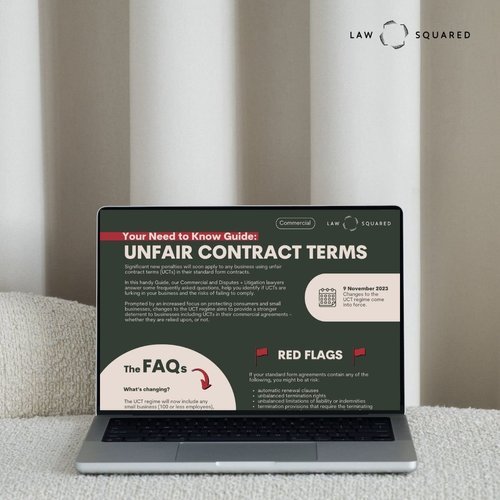
Unfair Contract Terms
Significant new penalties - up to $50 million - will soon apply to any business that includes unfair contract terms (UCTs) in its standard form contracts. The crackdown aims to provide a stronger deterrent against including such terms in commercial agreements - whether they are relied upon or not.
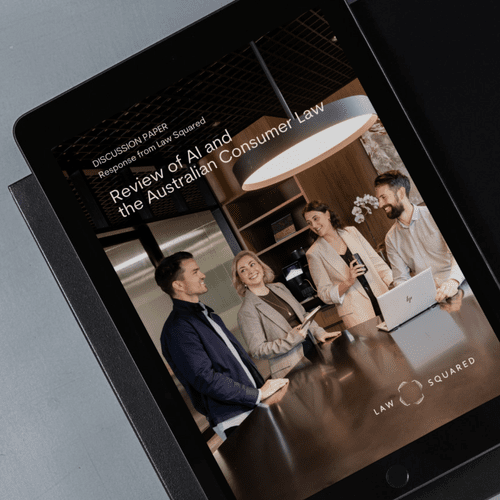
Review of AI and the Australian Consumer Law
Law Squared welcomed the opportunity to contribute to the Australian Treasury’s Review of AI and the Australian Consumer Law discussion paper. The Discussion Paper is an important chance to participate in Government Policy regarding Artificial Intelligence and its application to the Australian Consumer Law.

Navigating the ESG Regulatory Landscape
Environmental, Social and Governance (ESG) has evolved beyond buzzwords, becoming a critical business mandate. For in-house lawyers, entrusted with the dual roles of strategic advisors and stewards of legal compliance, the imperative to align corporate practices with evolving ESG goals has never been greater – or more complex.

Governance: Balancing the Dual Roles of General Counsel + Company Secretary
Offering enterprise-wide impact and an exciting vantage point for executive decision-making, the dual role of GC / CoSec is an exciting, but challenging career move.
Tailored for first-time GCs and CoSecs, as well as in-house lawyers ambitious to tackle the dual role in the future, this webcast will provide viewers with the knowledge and tools to excel!
Choosing The Best Dispute Resolution Process For Your Business
There are several potential dispute resolution mechanisms that you can choose from, and each option comes with differing advantages and disadvantages
Use our Need to Know Guide to help you decide which is most suitable for your business.
Contracts at the Speed of Tech: Managing Risk in IT + Emerging Tech Agreements
From SaaS to AI, today’s IT agreements carry new risks, stricter compliance demands, and untapped opportunities to capture business value. Join legal experts as they unpack the clauses that matter most, show how to future proof against emerging risks and share how legal teams can shift from “risk police” to strategic enablers of growth.
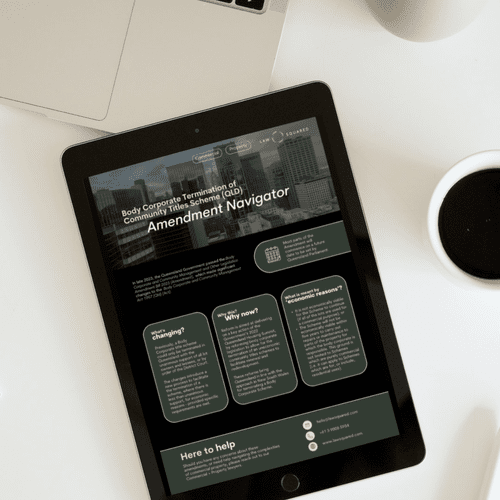
Need to Know Guide - Community Titles Amendment Scheme (Qld) Amendment Navigator
Use our Amendment Navigator to understand what’s changed and the steps now required to terminate a Body Corporate in Queensland.
Need to Know Guide - Making Sense of Boilerplate Clauses
Like a piece of metal, Boilerplate clauses are the backbone of an agreement. So, if these clauses are poorly designed, they can unravel the whole contract.
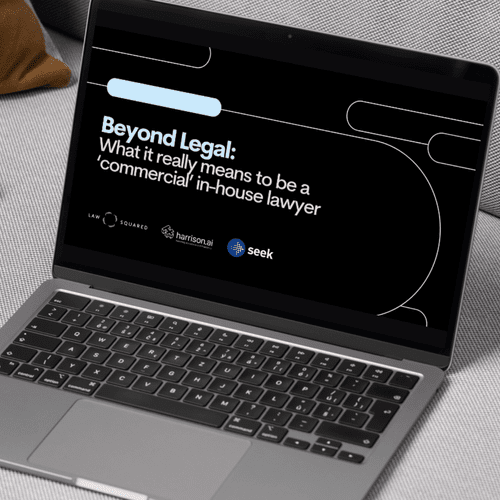
Beyond Legal: What It Really Means To Be A ‘Commercial’ In-House Lawyer
In this exclusive webcast, senior in-house leaders will break down the realities of running a truly commercial legal function—how to prioritise effectively, deliver actionable advice, and take strategic risks while maintaining legal integrity.
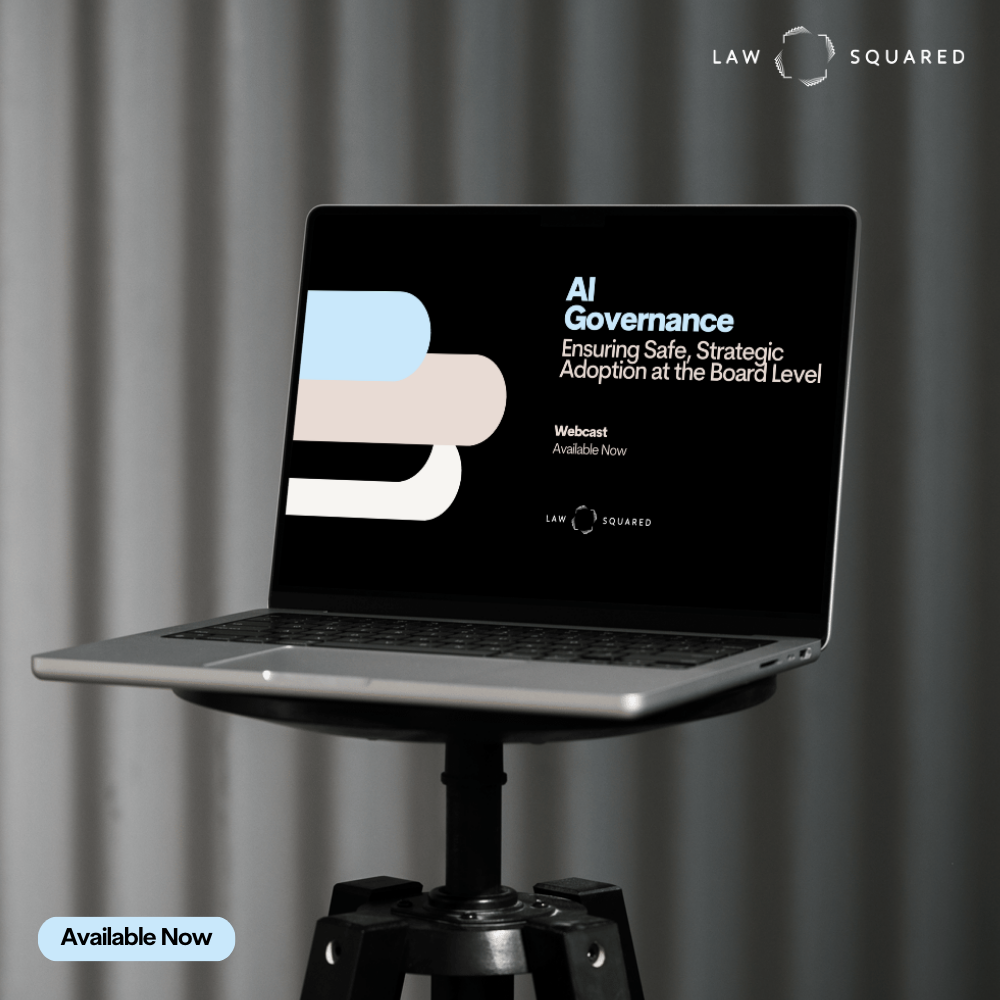
AI Governance: Ensuring Safe, Strategic Adoption at the Board Level
As boardroom conversations shift from “How do we govern?” to “How can AI help us govern better?”, directors must have a clear understanding of how AI intersects with fiduciary duties, independent judgement and the fundamentals of good governance. Join as expert speakers as they explore where AI can add real value, where caution is required, and why human-led governance remains essential.
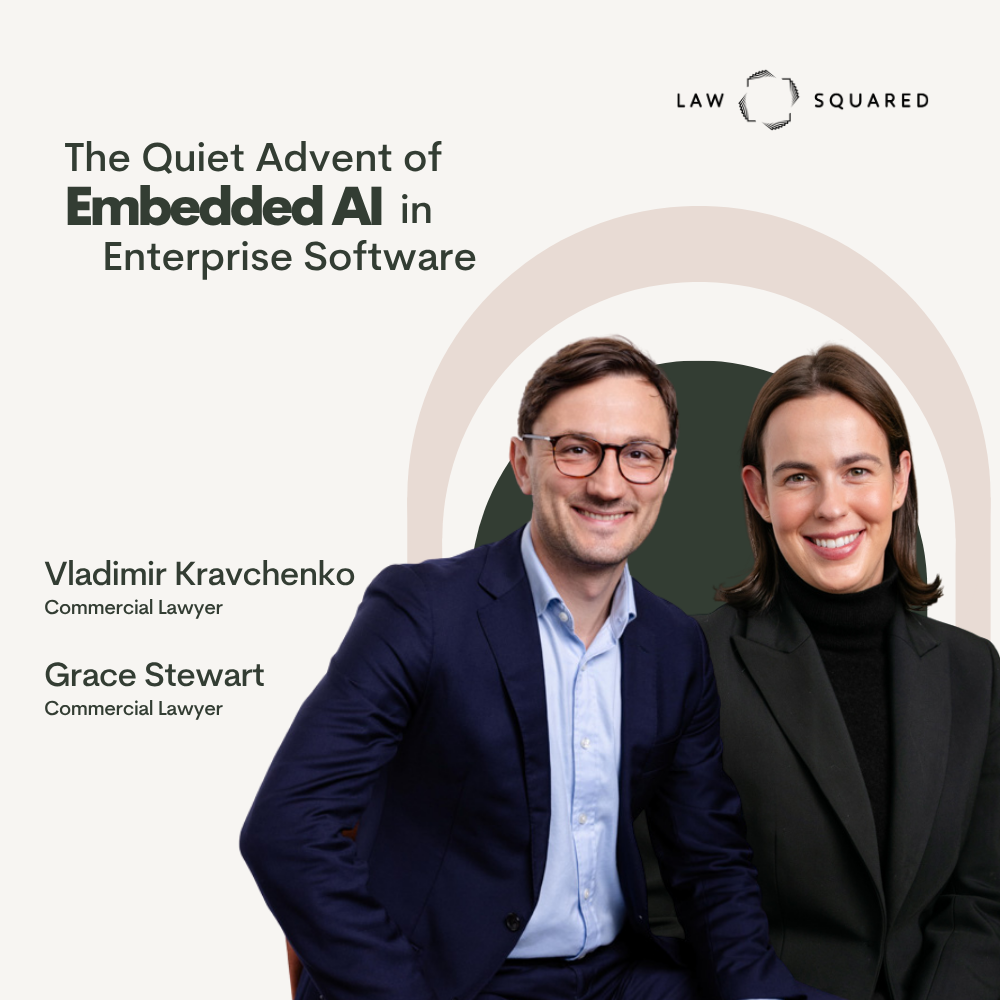
The Quiet Advent of Embedded AI in Enterprise Software
Have you noticed how the existing technology stack providers quietly added an AI layer to their existing offerings? These days, you open a PDF in Adobe Acrobat and a floating panel appears: "Ask questions, get summaries, and find information across your document." You begin drafting an email in Gmail and Gemini offers to finish the sentence for you. You click into a Word document and Copilot is sitting in the toolbar, ready to summarise, rewrite, or generate content from your files.
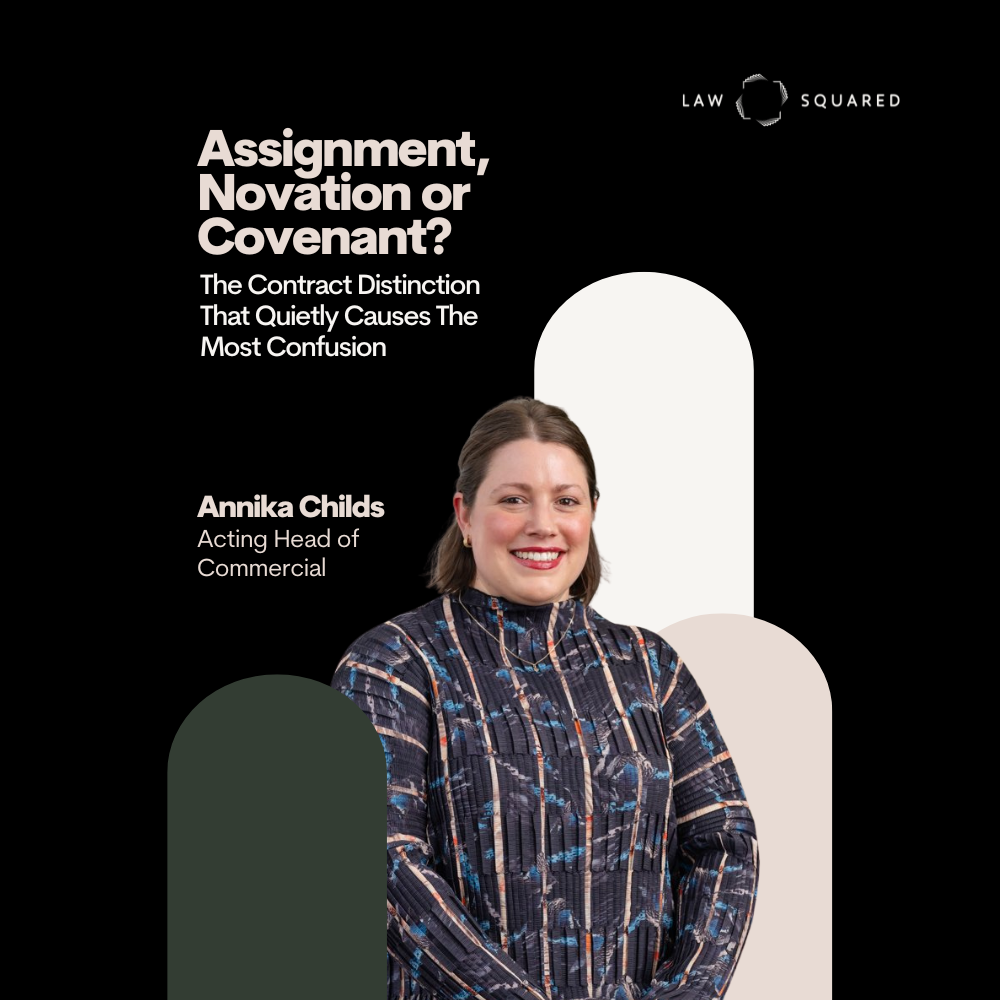
Assignment, Novation or Covenant? The Contract Distinction That Quietly Causes The Most Confusion
When contracts need to change - because a business restructures, a project moves from construction to operations, or a new operator steps in - the question we’re most often asked is: “Can’t we just assign the contract?” Understanding the difference between assignment, novation, and deeds of covenant can save time, cost, and serious risk - particularly in long-term, operational or regulated arrangements.
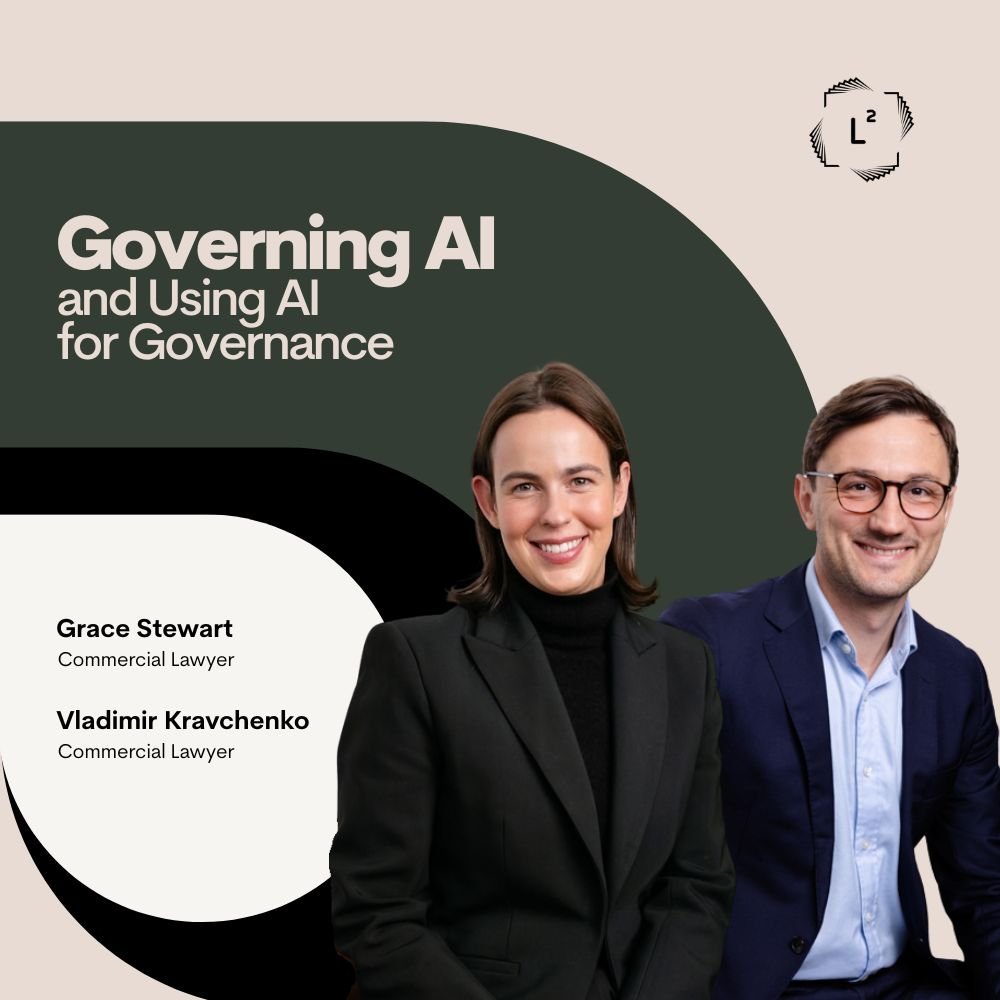
Governing AI and Using AI for Governance
Over the last year, directors and board advisors have told us there is plenty of noise about AI - but far less meaningful guidance that speaks to the realities of the boardroom and would make directors comfortable with the unique risks AI introduces.
The Unfair Contract Terms Regime // What We’ve Learned Two Years On
The strengthened Unfair Contract Terms (UCT) regime under the Australian Consumer Law (ACL) has now been in effect for just over two years. Since the Treasury Laws Amendment (More Competition, Better Prices) Act 2022 commenced on 9 November 2023, both regulators and courts have made it clear: the new rules have teeth, and enforcement is well underway.

Beyond Caps and Indemnities—Six Emerging Pressure-Points in Today’s IT Contracts
IT contracts have become the backbone of modern business. Whether you’re procuring software, outsourcing a service, or integrating third-party platforms, the risks embedded in these agreements can have significant commercial and operational consequences. Here, Commercial Lawyer + Team Lead, Vladimir Kravchenko, explores six emerging pressure points shaping risk allocation in contemporary IT deals.
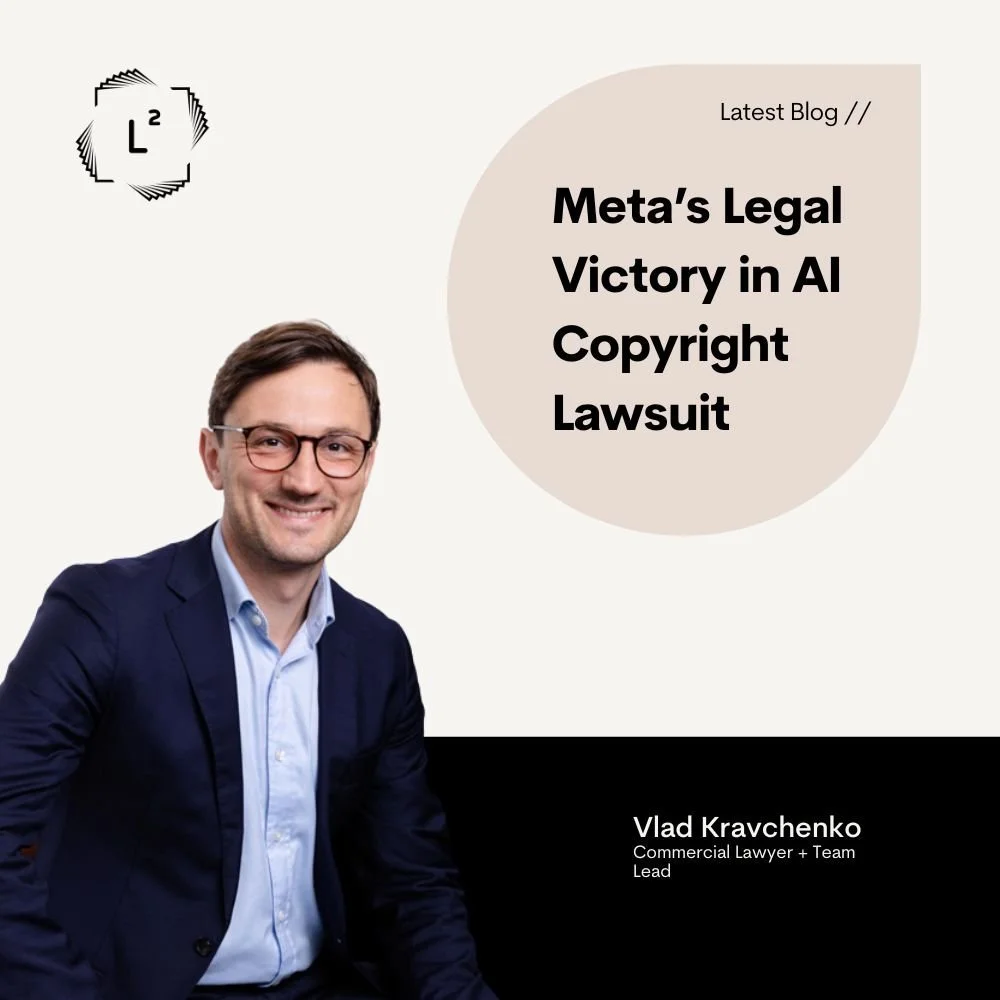
Meta’s Legal Victory in AI Copyright Lawsuit: Implications for Global and Australian Legal Frameworks
At Law Squared, we, like many in the legal and tech communities, are closely monitoring the evolving landscape of AI and copyright law. In June 2025, a significant development occurred when a U.S. federal judge ruled in favor of Meta Platforms Inc. in a copyright lawsuit brought by authors including Sarah Silverman and Ta-Nehisi Coates. The authors alleged that Meta had unlawfully used their works to train its AI system, LLaMA.