

The Right to Disconnect Takeaways
Employment + Workplace Relations Lawyer, Amogh Kadhe, shares his top takeaways for Legal and People + Culture teams from ‘The Right to Disconnect: From Legislation to Practice’ webcast featuring Andrew Brooks and Grace Oakley.

Return, Respect and Remuneration: Employment Trends to Watch For in 2025
As workplace regulations tighten, our expert panel explores strategies for fostering inclusive cultures, managing compliance, and mitigating risks, while addressing the challenges of return-to-office policies and new wage theft legislation introducing criminal penalties for underpayment.
Navigating Psychosocial Hazards Guide
Australian employers are now required under Work Health and Safety or workers’ compensation laws to put in place systematic approaches for addressing psychosocial risk. Use our guide to navigate the changes.
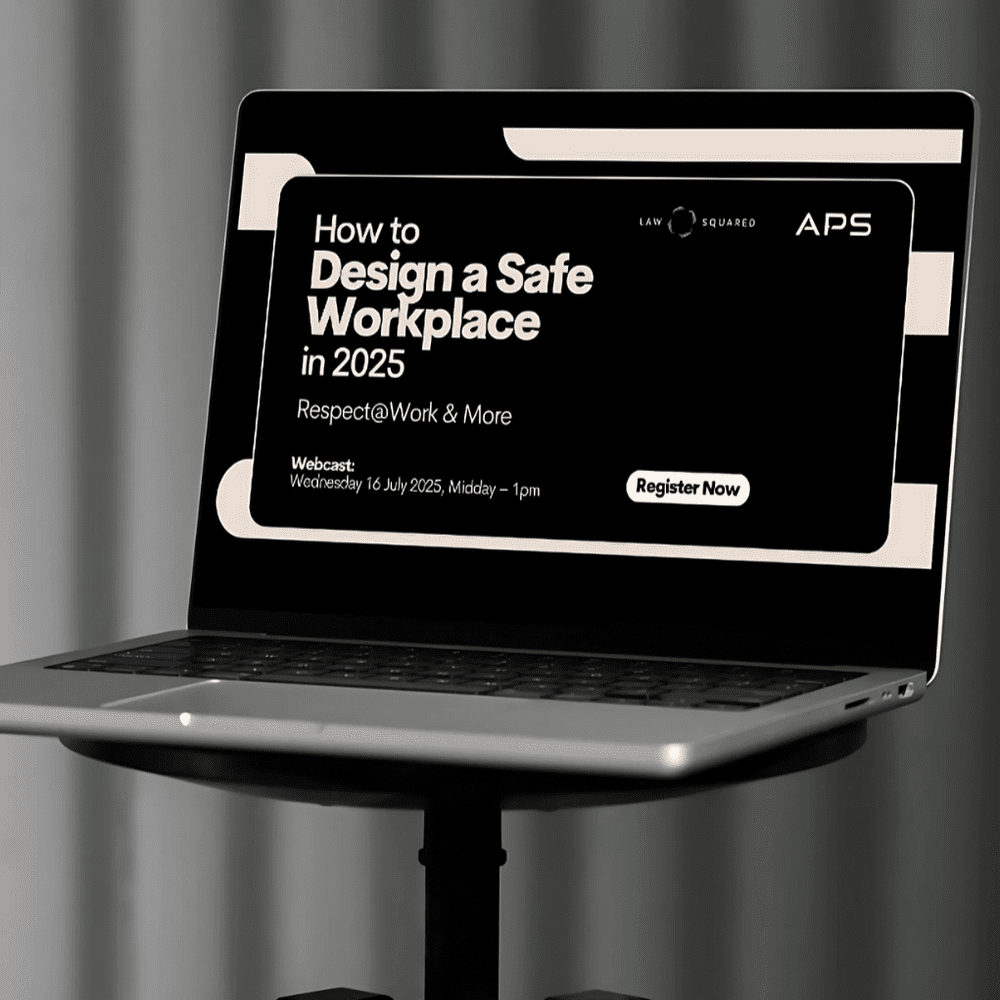
How to Design a Safe Workplace in 2025: Respect@Work & More
In 2025, creating a safe and respectful workplace goes beyond merely meeting legal obligations—it’s about intentionally designing environments that prioritise well-being, inclusivity, and mental health. This webcast brings together legal, people + culture and psychological safety experts to explore how Respect@Work principles can be woven into workplace design to foster a culture of safety and respect.
Family & Domestic Violence Policy Template
As of 1 February 2023, millions of Australians now have a right to ten days of paid family and domestic violence leave under changes to the Fair Work Act 2009 (Cth). Use this policy template to manage your business’ compliance, and to support survivors of family and domestic violence.

Crisis Management in 2026: Setting Up Your NFP to Best Respond
When modern crises hit a not-for-profit (NFP), it’s rarely just operational. It’s human, public, and trust-critical. This practical 60-minute webcast for not-for-profit leaders, General Counsel and People + Culture leaders who want clearer governance, stronger people safeguards and calmer communications under pressure.
Artificial Intelligence Policy Template
Use our AI in the Workplace Policy as a template to set expectations and help employees confidently explore and deploy AI-tools, whilst ensuring appropriate safeguards are in place to protect intellectual property and confidential information.
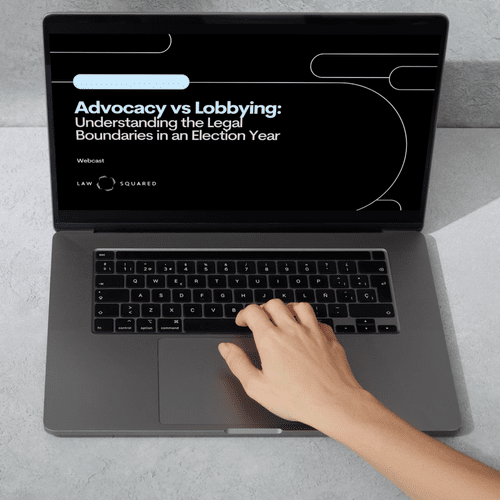
Advocacy vs Lobbying: Understanding Legal Boundaries in an Election Year
As Not-for-Profits (NFP) and charities gear up to engage in public debate with the federal election fast approaching, join us for an important and timely webinar featuring leading experts in advocacy, communications, and legal governance to equip your organisation with strategies to navigate the election year with confidence.

Double Diamond Template
The double diamond process is used in design thinking and can be applied to legal problem-solving and innovation.

Contract Automation Decision Matrix Template
If you're thinking about automating a business contract, use our Contract Automation Decision Matrix template to guide you.
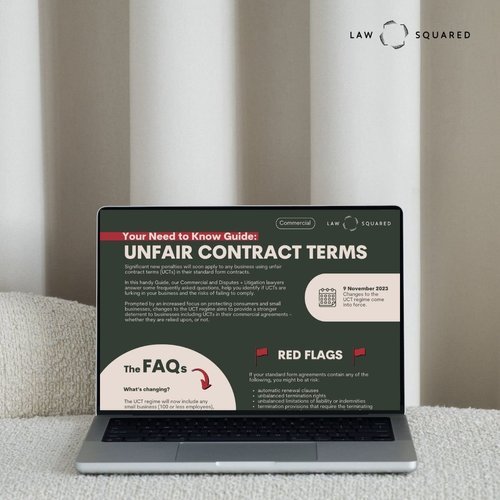
Unfair Contract Terms
Significant new penalties - up to $50 million - will soon apply to any business that includes unfair contract terms (UCTs) in its standard form contracts. The crackdown aims to provide a stronger deterrent against including such terms in commercial agreements - whether they are relied upon or not.
Review of AI and the Australian Consumer Law
Law Squared welcomed the opportunity to contribute to the Australian Treasury’s Review of AI and the Australian Consumer Law discussion paper. The Discussion Paper is an important chance to participate in Government Policy regarding Artificial Intelligence and its application to the Australian Consumer Law.

Navigating the ESG Regulatory Landscape
Environmental, Social and Governance (ESG) has evolved beyond buzzwords, becoming a critical business mandate. For in-house lawyers, entrusted with the dual roles of strategic advisors and stewards of legal compliance, the imperative to align corporate practices with evolving ESG goals has never been greater – or more complex.

Governance: Balancing the Dual Roles of General Counsel + Company Secretary
Offering enterprise-wide impact and an exciting vantage point for executive decision-making, the dual role of GC / CoSec is an exciting, but challenging career move.
Tailored for first-time GCs and CoSecs, as well as in-house lawyers ambitious to tackle the dual role in the future, this webcast will provide viewers with the knowledge and tools to excel!
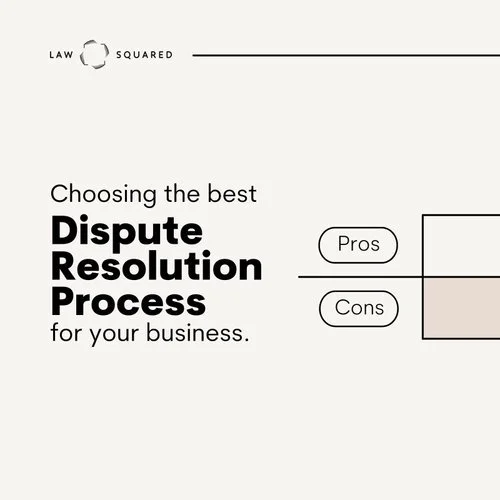
Choosing The Best Dispute Resolution Process For Your Business
There are several potential dispute resolution mechanisms that you can choose from, and each option comes with differing advantages and disadvantages
Use our Need to Know Guide to help you decide which is most suitable for your business.
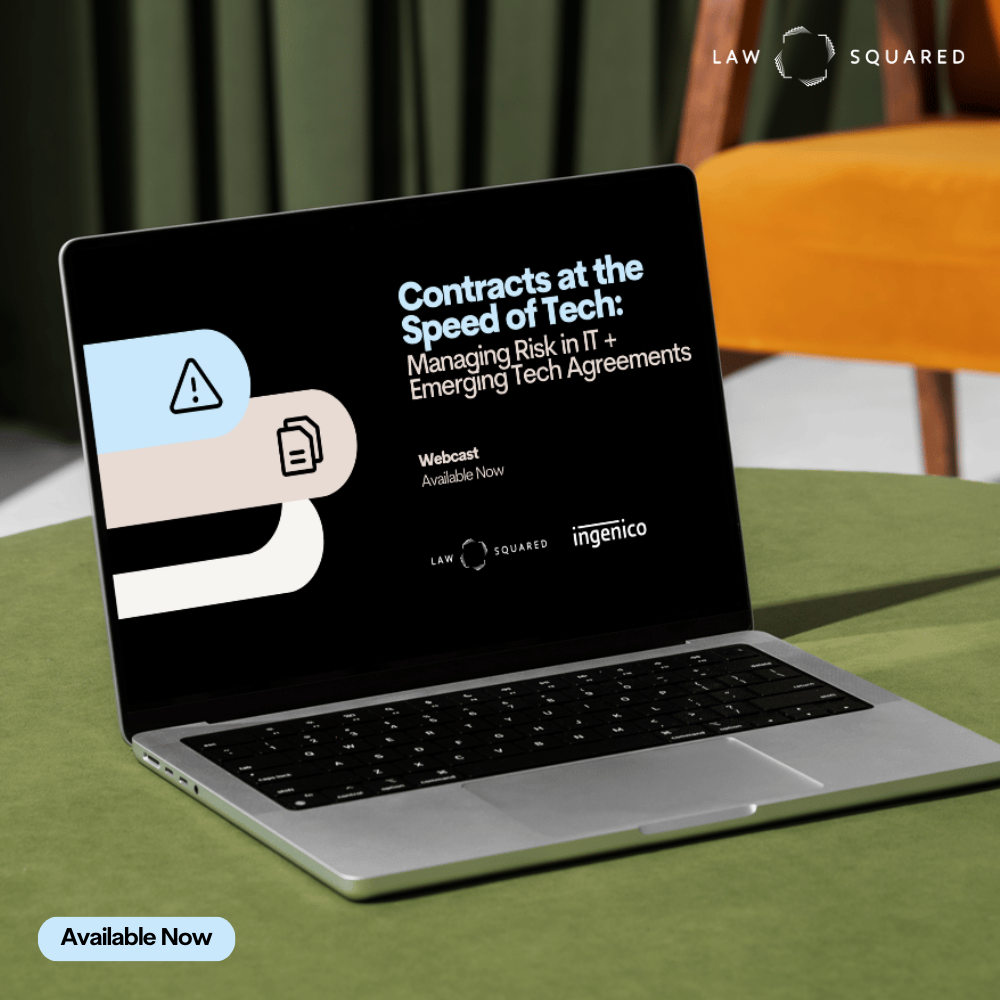
Contracts at the Speed of Tech: Managing Risk in IT + Emerging Tech Agreements
From SaaS to AI, today’s IT agreements carry new risks, stricter compliance demands, and untapped opportunities to capture business value. Join legal experts as they unpack the clauses that matter most, show how to future proof against emerging risks and share how legal teams can shift from “risk police” to strategic enablers of growth.
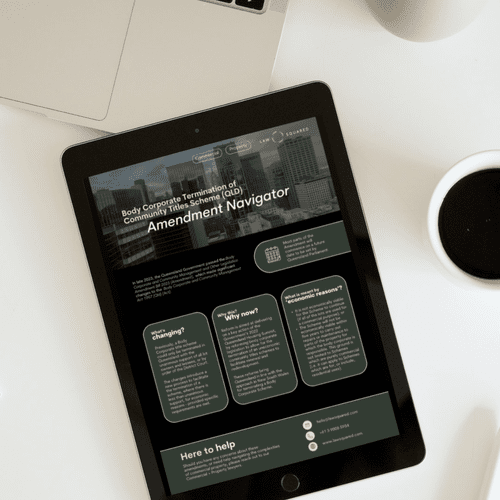
Need to Know Guide - Community Titles Amendment Scheme (Qld) Amendment Navigator
Use our Amendment Navigator to understand what’s changed and the steps now required to terminate a Body Corporate in Queensland.
Need to Know Guide - Making Sense of Boilerplate Clauses
Like a piece of metal, Boilerplate clauses are the backbone of an agreement. So, if these clauses are poorly designed, they can unravel the whole contract.
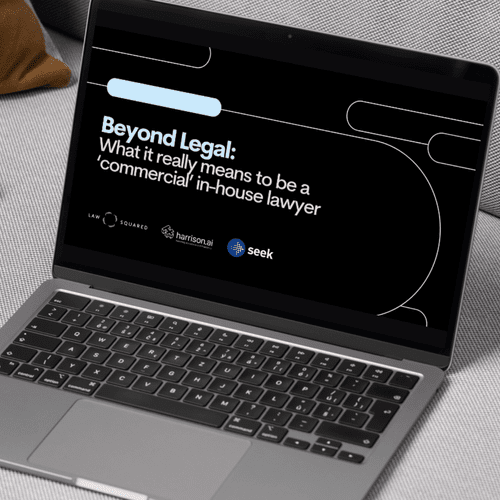
Beyond Legal: What It Really Means To Be A ‘Commercial’ In-House Lawyer
In this exclusive webcast, senior in-house leaders will break down the realities of running a truly commercial legal function—how to prioritise effectively, deliver actionable advice, and take strategic risks while maintaining legal integrity.
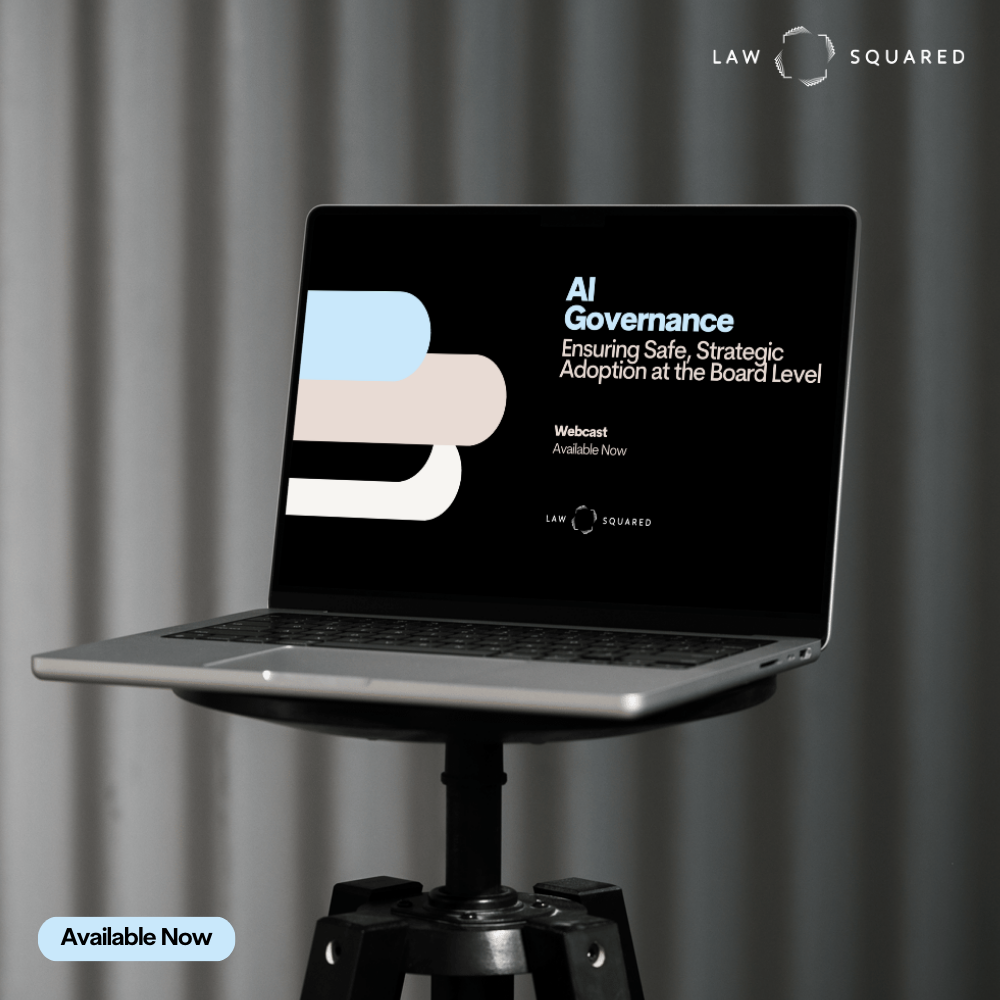
AI Governance: Ensuring Safe, Strategic Adoption at the Board Level
As boardroom conversations shift from “How do we govern?” to “How can AI help us govern better?”, directors must have a clear understanding of how AI intersects with fiduciary duties, independent judgement and the fundamentals of good governance. Join as expert speakers as they explore where AI can add real value, where caution is required, and why human-led governance remains essential.